Surplus Appliance Sourcing: A New Growth Path for Wholesalers and Live-Commerce Sellers
28 September 2026
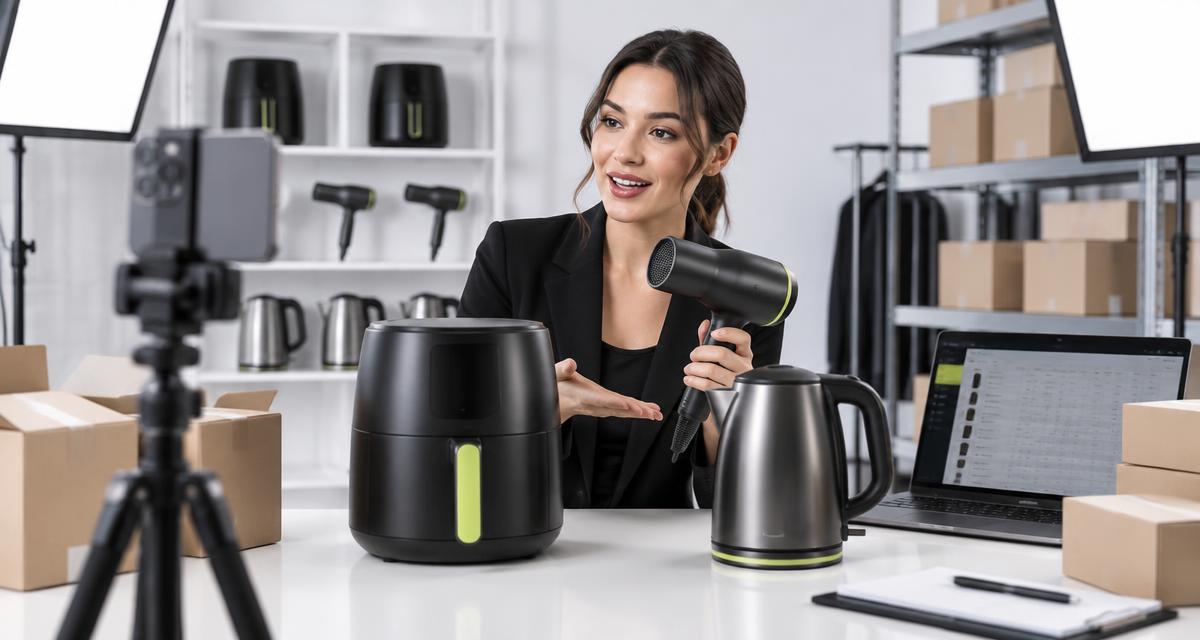
Wholesalers and live-commerce sellers compete on speed: how quickly they can find a product, validate demand and replenish a winner. Conventional sourcing often starts with large minimum orders and long development cycles. Surplus small-appliance inventory creates a different option—ready or near-ready stock that can support faster, lower-commitment market tests when the lot is verified carefully.
What is surplus-appliance sourcing?
Surplus-appliance sourcing is the purchase of legally saleable inventory outside a factory’s normal made-to-order programme. Typical lots include production overruns, cancelled-order goods, packaging-transition stock, open-box units or carton-damaged products.
The opportunity is not “cheap products at any cost.” It is a time-sensitive match between a specific lot and a buyer who can use its quantity, specifications, condition and destination-market compliance.
Why wholesale buyers are reconsidering the traditional sourcing cycle
A conventional private-label order can be the right choice for a proven product, but it requires forecasting, tooling or packaging decisions, production time and a larger commitment. For a new category or sales channel, that commitment can increase risk.
A suitable surplus lot may let a wholesaler test an air fryer capacity, kettle style, hair dryer specification or price point before placing a larger repeat order. The buyer gains speed; the factory gains a route for available inventory. The match works when both sides are transparent about condition, compliance and commercial expectations.
Benefits for wholesalers and distributors
- Smaller testable lots: selected surplus opportunities may have lower minimum quantities than a new production run.
- Faster assortment expansion: ready stock can help buyers add relevant products without waiting for a full manufacturing cycle.
- Negotiation based on actual inventory: quantity, condition, carton status and shipment readiness are known before an offer is made.
- More flexible market allocation: a buyer can match different lots to different regions, channels or customer segments.
- Direct access to manufacturing supply: a focused platform can reduce the time spent searching across unrelated suppliers.
Why live-commerce teams need a different buying model
Live commerce can create demand quickly, but audience response is difficult to predict. Creators and operators need products that are visually demonstrable, easy to explain and available in quantities that match a campaign—not only factory-scale production.
Small appliances are naturally suited to demonstration. An air fryer, portable fan or hair dryer can show a clear function on camera. A curated surplus lot can support a limited campaign, a regional test or a creator collaboration without assuming that every product will become a permanent bestseller.
A practical test-and-scale workflow
- Define the audience, target selling price and destination market first.
- Filter stock by category, quantity, voltage, plug type, condition and shipment timing.
- Request current photos, a power-on video and available compliance documents.
- Calculate the landed cost, including inspection, freight, duty, local fulfilment and returns allowance.
- Order a sample or arrange inspection when the risk profile requires it.
- Run a controlled campaign, measure conversion and return reasons, then decide whether to reorder or move to new production.
This workflow turns sourcing into a series of evidence-based decisions. It does not eliminate risk, but it limits the cost of learning.
Where the margin opportunity comes from
Surplus lots can be priced below comparable new-production orders because the factory has a reason to release existing inventory. That price difference is not automatically profit. Buyers still need to account for freight, certification, relabelling, packaging, local taxes, marketplace fees, creator commissions, returns and warranty service.
The strongest opportunity appears when three conditions align: the product fits a real audience, the landed cost leaves room for the sales channel, and the stock condition supports the promised customer experience.
Due diligence before making an offer
Check the legal right to sell the goods in the destination market. Confirm voltage, frequency and plug type. Review certification documents for the exact model where required. Ask whether packaging or manuals need localisation. Clarify inspection standards, payment milestones, shipping documents and the process for discrepancies.
For live-commerce purchases, also verify that the product’s claims can be demonstrated honestly and that after-sales expectations are workable. A compelling stream cannot compensate for an unsuitable or poorly documented product.
How a vetted marketplace changes the process
A specialist B2B marketplace can organise inventory data, keep sensitive brands masked until the appropriate stage, screen participants and preserve the sequence of offers and order updates. This makes comparison easier for buyers and reduces speculative enquiries for factories.
BulkVolt focuses on surplus small appliances from the Foshan manufacturing belt. Approved buyers can browse structured lots, submit an offer and follow the transaction from negotiation to delivery.
Frequently asked questions
Are surplus appliances second-hand? Not necessarily. A surplus lot may be brand new, open-box, carton-damaged, returned or a display unit. The condition should be stated for each listing.
Is surplus sourcing only for very large wholesalers? No. Lot size varies. Some opportunities may suit a smaller regional distributor or a controlled live-commerce test, while others require container-scale capacity.
Can creators buy directly? BulkVolt is designed for business buyers. A creator with a registered company, a fulfilment plan and wholesale purchasing capability may apply for review.
How should buyers compare offers? Compare landed cost and commercial risk—not unit price alone. Include logistics, compliance, inspection, packaging, duties, returns and channel fees.
Does a low MOQ mean low risk? It reduces inventory exposure but does not remove compliance, quality or customer-service risk. Due diligence remains essential.
Key takeaway
For wholesalers and live-commerce sellers, surplus-appliance matchmaking can create a faster route from product discovery to market evidence. Its advantage is flexibility: test a defined lot, learn from real demand and scale only when the economics and customer response justify it.
BulkVolt gives approved global buyers a structured way to discover and negotiate surplus small-appliance inventory from vetted Foshan factories. Buyers can request access to view current opportunities and submit offers.
Share this article
Want this week's stocklist?
Request access to BulkVolt and buy surplus stock directly from vetted Foshan factories.